Home / Procedures / Fat Transfer

Fat Transfer

Autologous Fat Grafting · Lipofilling

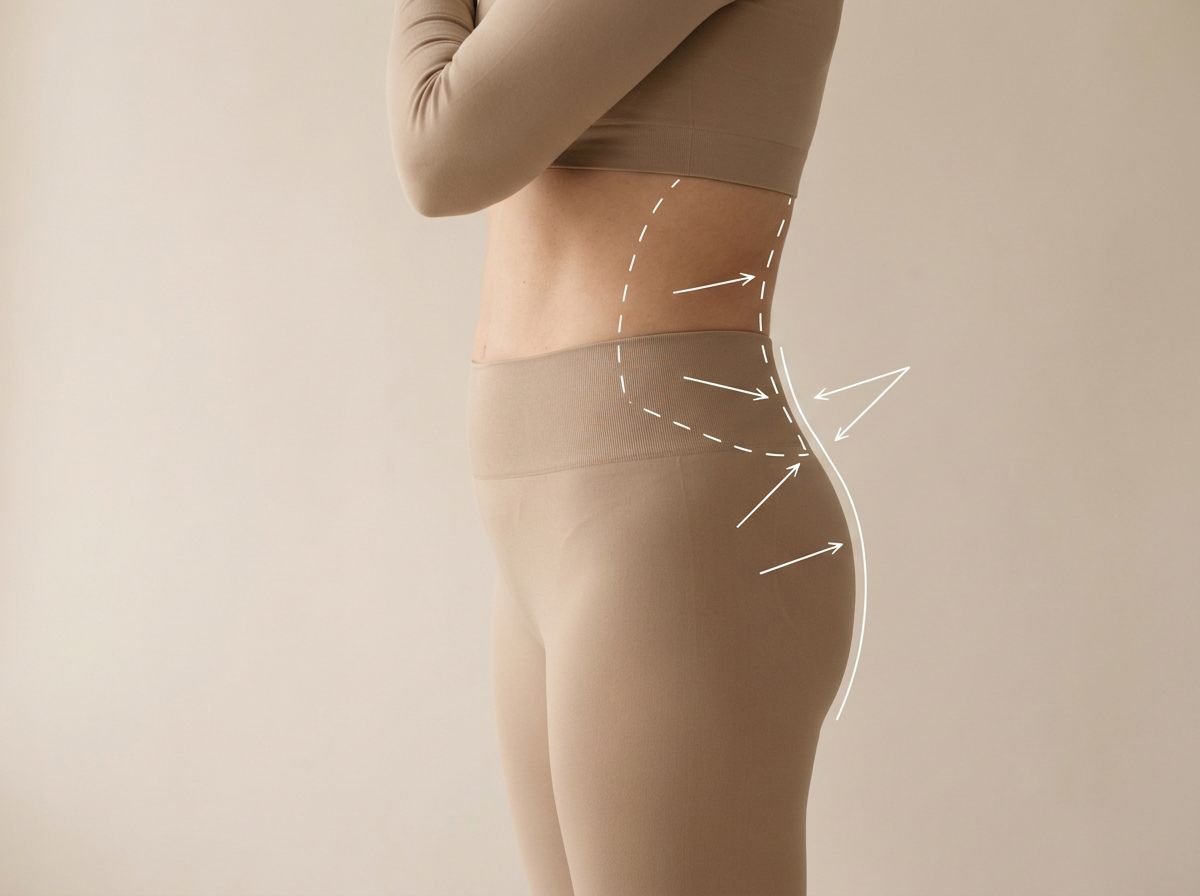
Fat transfer takes fat from one area of your body by liposuction and re-injects it to restore volume or smooth contours elsewhere, such as the face, breasts or buttocks.
Fat Transfer
Duration2–3 hours
AnaesthesiaGeneral
Hospital stayDay case
Back to work7–10 days

Who this procedure suits

This procedure addresses volume loss or contour irregularities using your own tissue instead of an implant or synthetic filler. It suits gradual, natural-looking refinement rather than significant size change.

A good candidate if

  • Facial volume loss from ageing, with hollowing of cheeks or temples
  • Contour irregularities or dents after previous liposuction or surgery
  • Modest buttock or breast volume enhancement using your own fat
  • Localised depressions or asymmetry you would like softened

Not suitable if

  • Very low body fat with insufficient donor sites
  • Active skin or soft tissue infection
  • Expectation of large, implant-like volume increase
  • Uncontrolled bleeding disorder or significant clotting risk

How the procedure is performed

Consultation

We examine donor and recipient areas, discuss realistic volume goals, and review your health history and any medications.

Preparation

You may need blood tests and to stop smoking and certain medications beforehand. Donor and injection sites are marked.

Surgery

Fat is harvested by gentle liposuction, processed to separate viable cells, then carefully injected in small amounts, layer by layer.

Follow-up

We review healing at both donor and recipient sites, monitor swelling, and check how the transferred fat is settling over several visits.

Fat Transfer

Recovery — what actually happens

Day 1-3Swelling and bruising at both donor and injection sites. Rest, gentle movement, prescribed pain relief.
Week 1Compression garment on donor areas if used. Swelling begins to reduce; avoid pressure on treated areas.
Week 2-4Most bruising resolves. Some early volume loss is expected as a portion of the fat naturally reabsorbs.
Month 2-3Swelling fully settles. Remaining fat volume becomes more predictable and stable.
Month 6-12Final result visible once healing and fat integration are complete.

Honest medicine — the risks

Every surgical procedure carries potential risks. Risks vary with the procedure and your health, and the surgeon will discuss them with you along with the measures used to reduce them:

ScarringTiny liposuction and injection points, placed to fade and remain inconspicuous.
InfectionSterile technique and, when indicated, antibiotics reduce this risk.
Delayed wound healingCareful tissue handling and following aftercare instructions support healing.
Venous thromboembolismEarly mobilisation and risk assessment reduce clot risk, especially after longer procedures.
Fat resorptionA portion of transferred fat is reabsorbed by the body; this is expected and factored into planning.
Contour irregularity or lumpinessMeticulous, layered injection technique reduces uneven results.
Fat necrosis or oil cystsCorrect injection technique and volume per pass lower this risk.

Frequently asked questions

How much fat survives the transfer?

A proportion of transferred fat is reabsorbed in the weeks after surgery. The remainder that survives tends to be long-lasting.

Where does the fat usually come from?

Common donor sites include the abdomen, flanks, or thighs, chosen based on your anatomy and the volume needed.

Is fat transfer permanent?

Fat cells that survive the initial healing period generally remain in place long-term, though further ageing can still affect volume over time.

Can fat transfer replace breast or buttock implants?

It offers a more modest, natural-feeling volume change. Implants remain the option for larger increases.

Will there be visible scars?

Liposuction and injection sites are small and placed carefully; they typically fade considerably over months.

Is this procedure right for you?

The only correct answer comes from a clinical examination. Book a consultation — in person, or by video if you are outside the UAE.

Book a consultation
Book a consultation