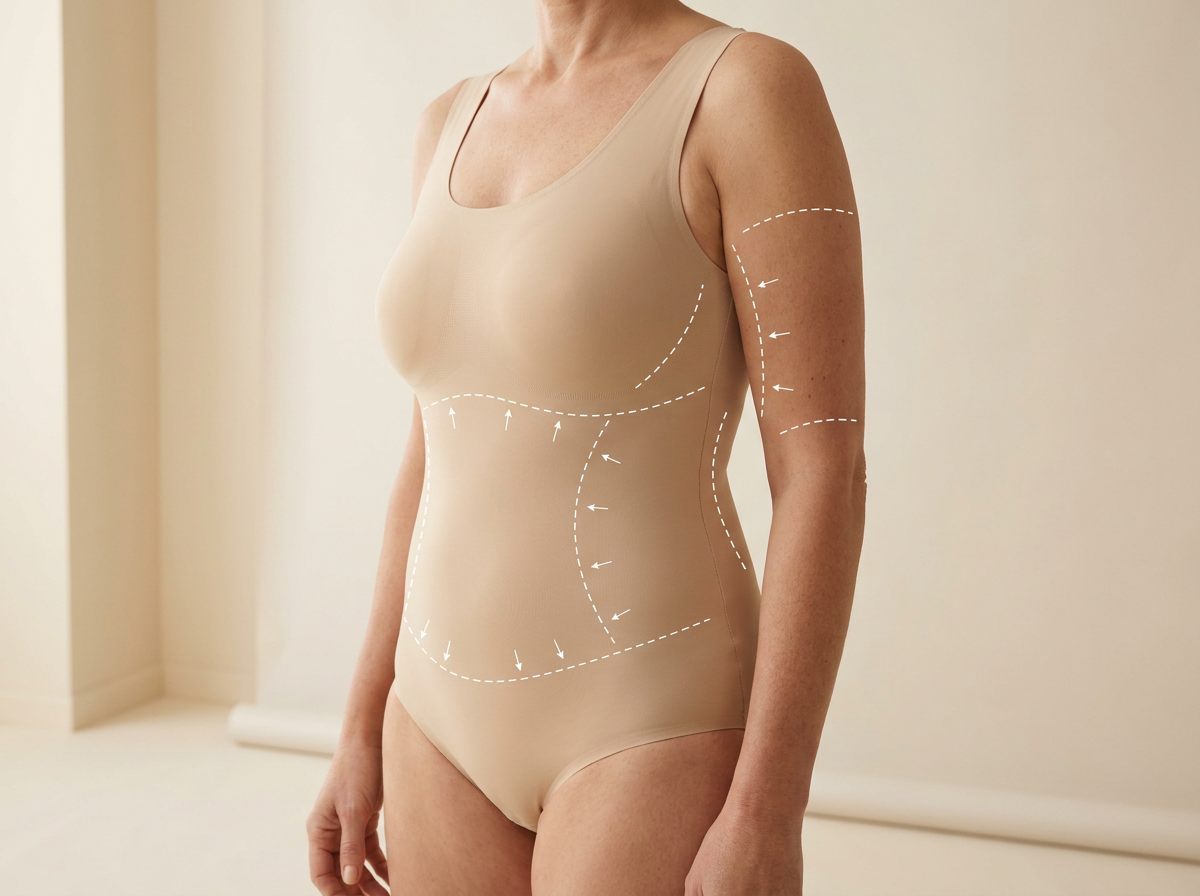
This surgery removes excess loose skin and residual fat that remain after significant weight loss, reshaping the body once your weight has stabilised. It is designed for men and women who have lost a large amount of weight through diet, exercise, or bariatric surgery.

Massive weight loss changes the shape of the body more than it changes the skin. Skin that has been stretched for years does not shrink back on its own. This surgery removes that excess skin and remaining fat pockets so your body shape reflects the weight you have worked hard to lose.
We review your weight-loss history, nutritional status, and blood work. We examine the areas of loose skin and discuss which regions matter most to you, and whether one or several operations are advisable.
Blood tests, nutritional optimisation, and clearance from your bariatric or general physician if relevant. You will be asked to stop smoking well in advance and to maintain a stable weight before surgery.
Excess skin and fat are removed and the underlying tissue is repositioned. Depending on the areas treated, this may involve an abdominoplasty, lower body lift, arm lift, thigh lift, or breast reshaping, sometimes combined and sometimes staged across separate procedures.
Drains are usually placed and removed within one to two weeks. Compression garments are worn for four to six weeks. Wounds are checked regularly until fully healed.
Every surgical procedure carries potential risks. Risks vary with the procedure and your health, and the surgeon will discuss them with you along with the measures used to reduce them:
Most surgeons recommend waiting until your weight has been stable for at least six to twelve months and any nutritional deficiencies have been corrected.
Often, yes. Addressing the abdomen, back, thighs, arms, and breasts in a single operation is not always safe or advisable, so procedures are frequently staged over months.
Coverage varies and depends on your policy and clinical criteria such as skin-related infections or functional problems. We can discuss what documentation may support a claim.
Incisions are placed along natural body lines where possible and covered by underwear or clothing, but scars are permanent and their appearance varies between patients.
Yes, but significant further weight change can affect your results and may require additional correction. Reaching a stable weight before surgery gives the most predictable outcome.
The only correct answer comes from a clinical examination. Book a consultation — in person, or by video if you are outside the UAE.